Inheritance is not passive. It is a choice.
Over the past week we have traced Peterborough’s culture from its earliest foundations: land and water shaping settlement, routes shaping exchange, gathering shaping belonging, materials shaping endurance, the river shaping continuity.
But heritage does not sit quietly behind us. It asks something of us.
The same wetlands that demanded ingenuity from Bronze Age builders now require restoration and protection. The river that carried trade and labour requires careful management. The limestone and clay that shaped architecture must be conserved even as new development rises.
Stewardship is not a modern invention. It is the contemporary expression of an ancient instinct.
Those who constructed platforms at Flag Fen understood water’s power. They did not attempt to dominate it entirely. They worked within it. Medieval quarry workers at Barnack knew the value and limits of stone. Industrial brickmakers transformed clay but depended upon its quality and availability. Each generation negotiated with the land rather than ignoring it.
Today, that negotiation continues.
Nene Park Trust manages significant open space along the river, balancing public access with conservation. Peterborough Environment City Trust embeds sustainability within the civic agenda, recognising that environmental responsibility is not peripheral but foundational.
At landscape scale, the restoration underway at Great Fen seeks to reconnect habitats fragmented over centuries. It represents a conscious effort to repair ecological systems shaped by historical intervention.
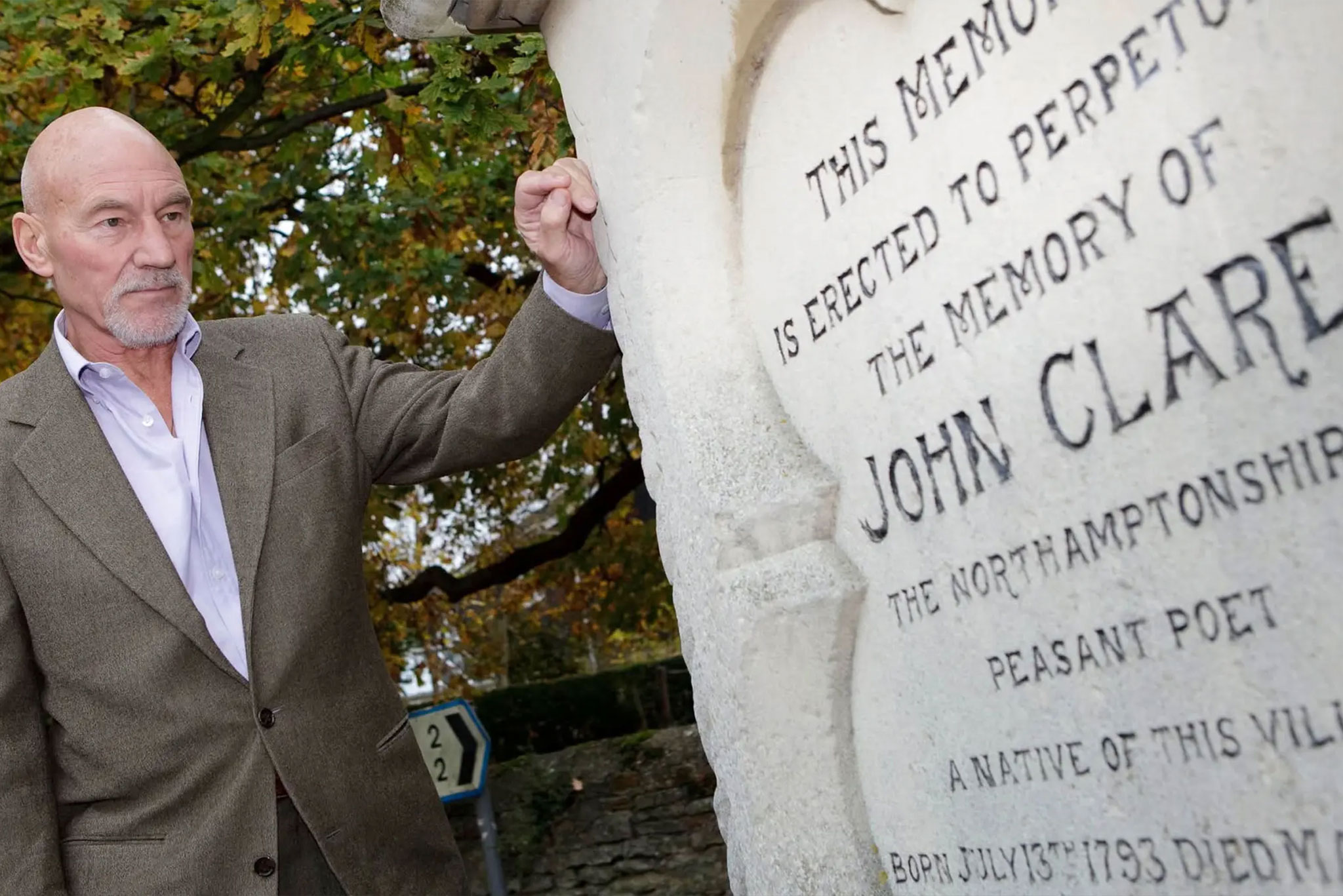
Meanwhile, cultural stewardship ensures that physical heritage is not reduced to abstraction. Peterborough Museum & Art Gallery preserves archaeological discoveries, interprets artefacts and connects residents with deep time beneath their feet. Projects such as John Clare Countryside link landscape, literature and ecological awareness, reminding us that place is both physical and poetic.
Stewardship operates at multiple scales.
It lives in environmental restoration and museum curation. In heritage interpretation and neighbourhood pride. In decisions about development that respect what came before while enabling what comes next.
To inherit a landscape shaped by millennia of adaptation is to recognise that growth must be thoughtful. Peterborough has always evolved. It has absorbed influence, expanded boundaries and transformed industry. But the pattern that runs through its history is not reckless expansion. It is negotiation.
Negotiation between land and water. Between resource and restraint. Between continuity and change.
Stewardship is the discipline that makes negotiation possible.
It is not nostalgic retreat. It is not resistance to progress. It is the understanding that progress untethered from memory is fragile.
Peterborough’s future will not be secured by discarding its past. It will be secured by understanding it deeply enough to shape what comes next responsibly.
There is something quietly powerful in recognising that the same landscape that supported prehistoric ritual and Roman trade now hosts environmental restoration projects and community-led heritage initiatives. It suggests continuity not only of innovation, but of care.
The question is not whether Peterborough will change. It always has.
The question is how consciously it will shape that change.
Stewardship is culture carried forward with intention.
And intention, here, has always mattered.
#Peterborough2029
#ThisIsPeterborough
#DiscoverPeterborough
Photo by Terry Harris/Discover Peterborough