Drums speak before words do. Their rhythm travels further than language. It crosses borders, faiths and histories. It gathers bodies into shared tempo long before translation is required.
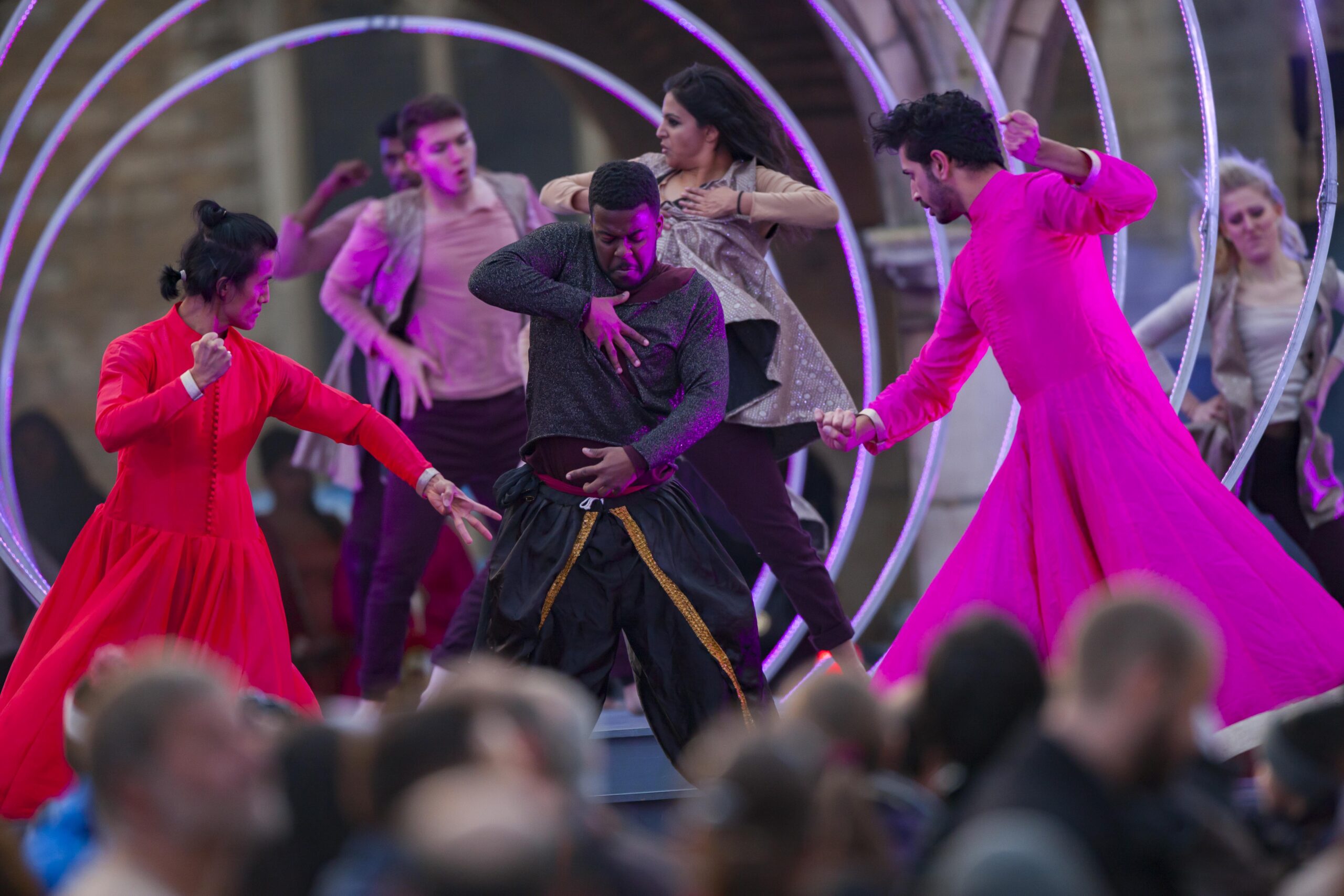
In Peterborough, that rhythm can be heard in many forms. Afrobeats pulse through Cathedral Square. Sikh drums roll like distant thunder. Bollywood refrains spill into open air. Latvian songs rise in harmony. A beatboxer finds rhythm in breath alone. A spoken word poet bends language into something urgent and new.
The sounds overlap without competing. They coexist, creating a layered soundscape that feels less like performance and more like lived experience.
This is not novelty. It is continuity.
Hospitality in Peterborough is not a slogan but an instinct shaped by geography and history. For centuries, this has been a place defined by movement. Roads converged here. River routes connected settlement to settlement. Trade passed through. Workers followed opportunity.
The city grew through exchange rather than isolation, and with exchange came encounter.
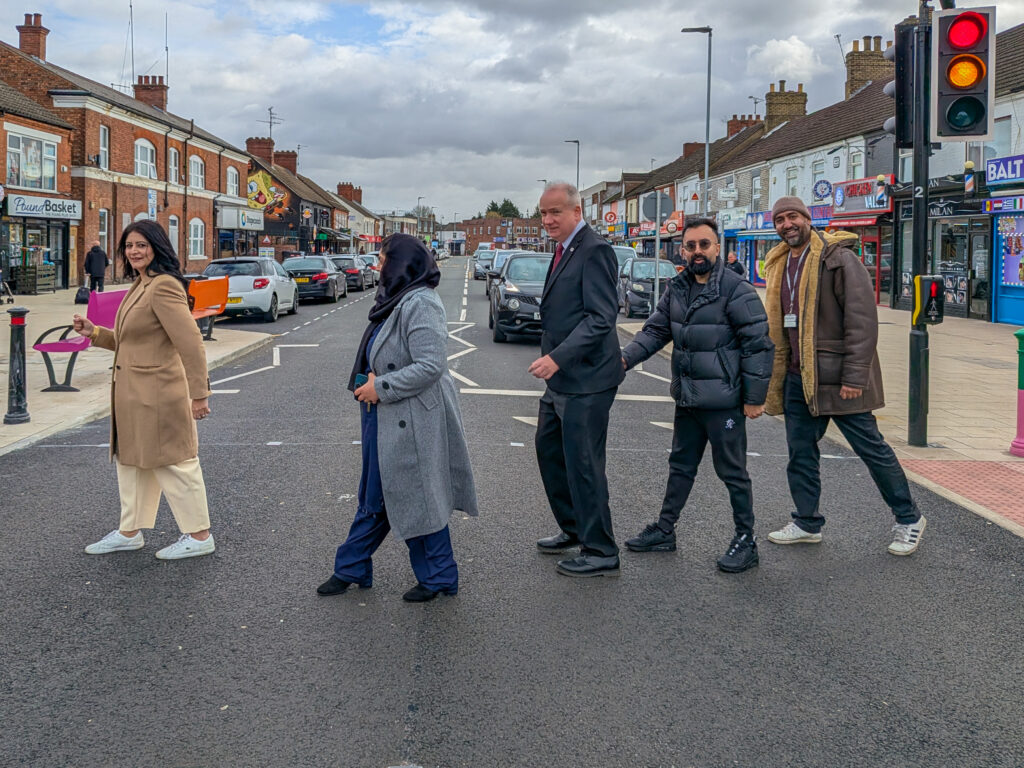
Welcoming, in such a place, is rarely dramatic. It is practical and persistent. It happens in markets and classrooms, in workplaces and neighbourhoods, in the small adjustments that allow difference to become familiarity. It is visible in coexistence and felt in the quiet willingness to make room.
Peterborough has long been among the first cities to welcome families arriving through resettlement schemes. From post-war migration to more recent arrivals from across Europe, Asia and beyond, new communities have added languages, traditions and cultural practices to the city’s fabric. This layering has not diminished identity. It has deepened it.
Each year, that depth becomes visible in celebration.
The Italian Festival fills the streets with colour and conversation. Eid gatherings bring devotion and joy into shared public space. The Portuguese Festival carries music and dance across generations. The Culture Community Carnival, revived after decades, reclaims the city for collective expression.
These moments are not spectacles placed upon the city. They arise from within it.
Earlier chapters traced how Peterborough learned to build, to paint, to speak, to write and to sing. Listening is the companion to all of these acts. It requires humility and patience. It assumes that no single voice can contain the whole story and that identity is strengthened, not weakened, by plurality.
In markets and schools, on buses and in community halls, accents intermingle and routines overlap. Shops display goods from multiple continents. Calendars hold festivals from many traditions. Ritual and routine sit side by side without cancelling one another, forming a civic culture that is layered rather than fragmented.
A city that listens does more than accommodate difference. It allows difference to influence its direction. Growth, often described in terms of speed and expansion, risks becoming disjointed without this attentiveness. Listening turns movement into integration and proximity into belonging.
To listen is to accept that a city is never complete.
It is always becoming, shaped by those who arrive, those who remain and those who return.
Expression without listening becomes noise.
Expression with listening becomes dialogue.
And dialogue is where shared identity takes root.
#Peterborough2029
#ThisIsPeterborough
#DiscoverPeterborough
Photo by Terry Harris/Discover Peterborough