Over the past week, we have looked carefully at Peterborough’s earliest layers.
Not as relics, and not as decoration, but as foundations.
The ground beneath this city tells a long story. At Flag Fen, people built deliberately into wetland, working with water rather than retreating from it. At Must Farm, roundhouses and crafted objects reveal communities skilled, connected and capable. Near Durobrivae, routes converged and goods travelled outward. Barnack stone left its mark far beyond its quarry face. Clay beneath the soil rose in brick and reshaped the skyline. The River Nene carried labour, exchange and memory along its course.
Taken separately, these are historical details.
Taken together, they form a pattern.
Again and again, this landscape has asked its people to adapt. To cooperate. To build carefully. To connect outward. To gather together. To care for what sustains them.
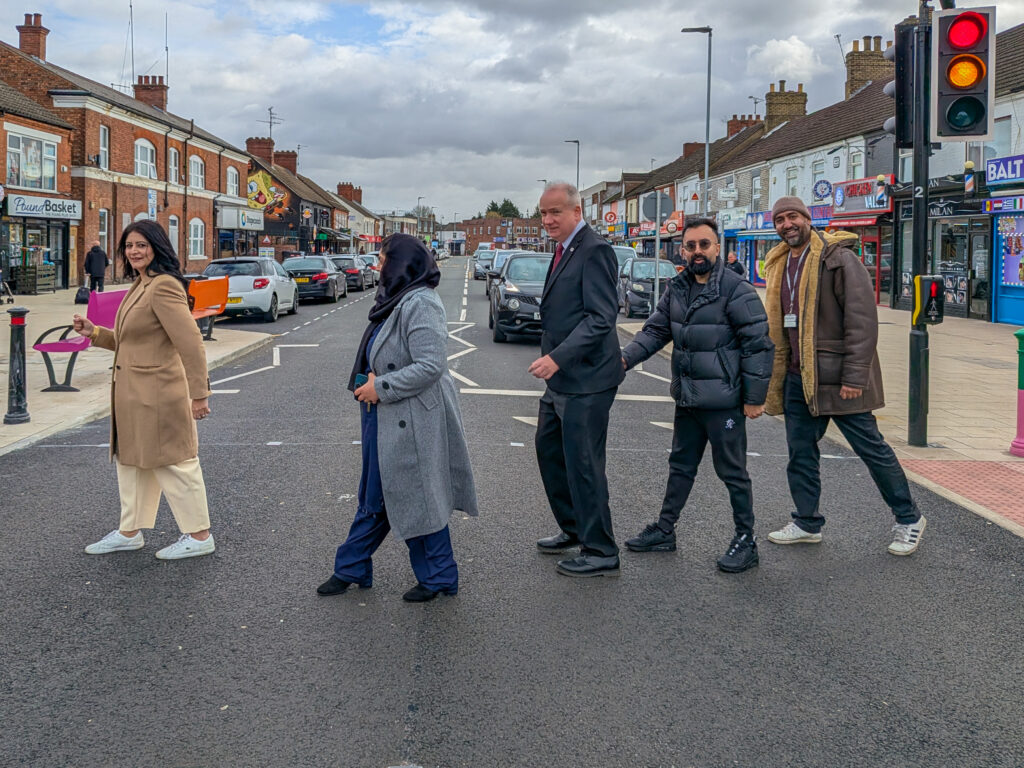
That pattern is not confined to the past. It is visible in the present. In the restoration of the Great Fen. In the stewardship of Nene Park Trust and the work of Peterborough Environment City Trust. In the interpretation carried forward by Peterborough Museum & Art Gallery. In the everyday act of gathering, celebrating and building community across neighbourhoods.
What emerges is not a sudden cultural awakening. It is continuity.
Peterborough has always existed at an edge. Between land and water. Between movement and settlement. Between local rootedness and outward exchange. Living at that edge has shaped a particular kind of confidence. Not loud. Not ornamental. But steady.
A city of culture is not defined only by headline events or historic architecture. It is defined by the depth of its relationship with place. By the way it understands its inheritance and chooses to carry it forward.
This week’s exploration suggests something clear. The qualities that define Peterborough today are not accidental. They are cumulative. They have been forming for thousands of years.
Ingenuity in difficult conditions.
Openness to exchange.
Commitment to gathering.
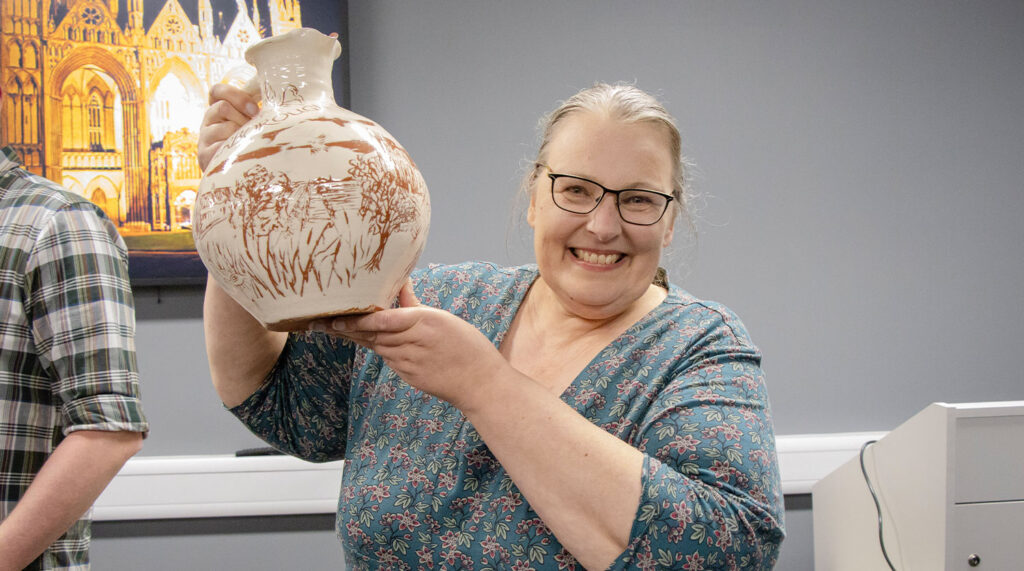
Skill in making.
Responsibility in stewardship.
These are cultural traits.
They were present in timber driven into wetland. In stone carried across counties. In bricks fired in their millions. They are present now in restoration projects, festivals, community initiatives and civic ambition.
Peterborough does not need to claim culture as a new identity. It needs only to recognise it as a longstanding one.
We are not attempting to become something unfamiliar. We are learning to articulate what has long been true.
This is not the beginning of a cultural journey.
It is the continuation of one.
And as we move into the next chapters of our story, we do so with the quiet confidence of a city that understands where it stands.#Peterborough2029
#ThisIsPeterborough
#DiscoverPeterborough
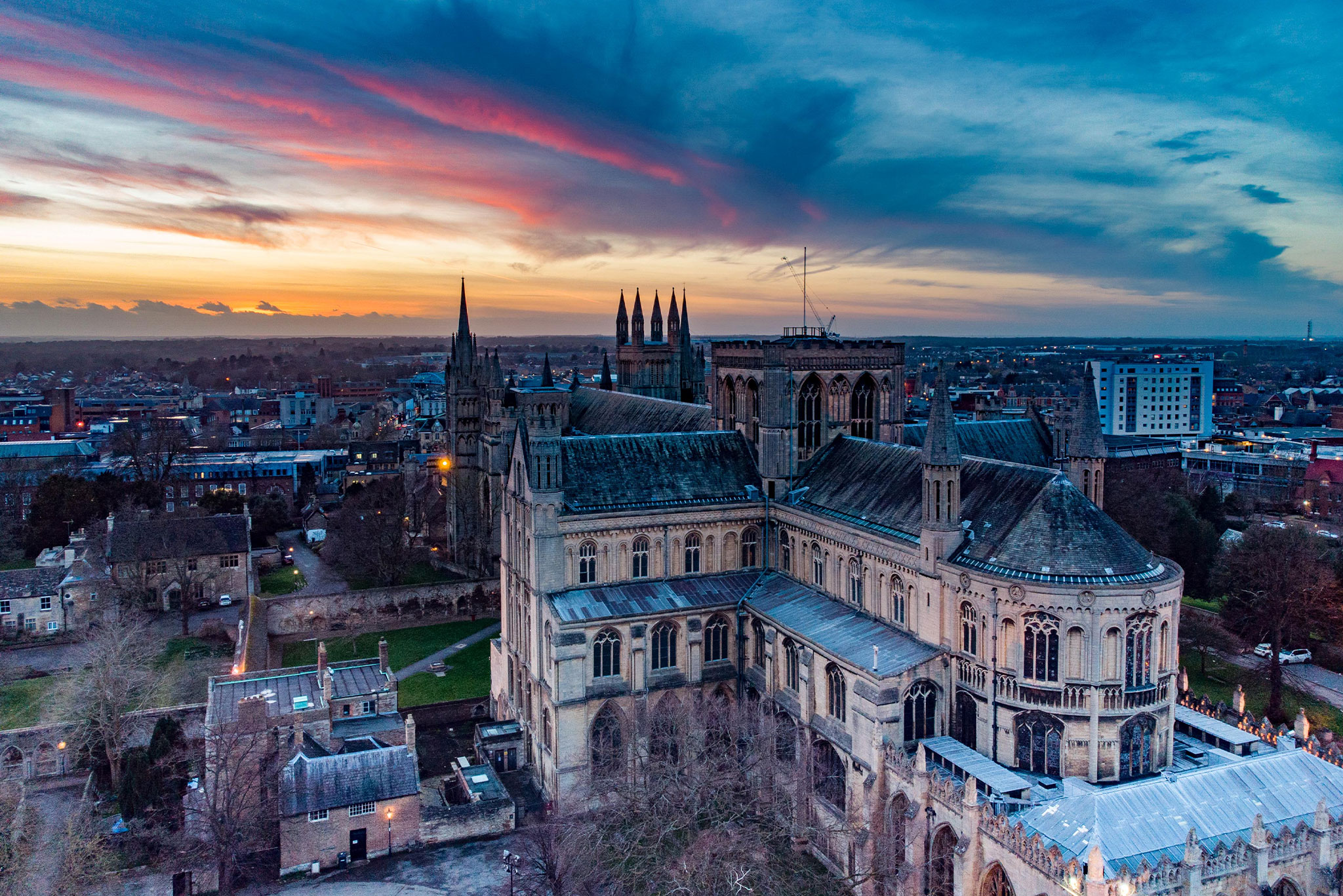
Photo by: Terry Harris/Discover Peterborough