If gathering creates belonging, materials create endurance.
Every civilisation leaves traces in what it builds. In Peterborough, those traces are written in timber, limestone and clay.
The instinct to construct in challenging conditions was visible at Flag Fen, where timber platforms extended into wetland. That achievement was not improvised. It required selection of material, shaping of wood, coordinated labour and technical understanding of unstable ground. Engineering here predates the word itself.
As centuries passed, the relationship between land and making evolved. The limestone ridge at Barnack became one of the most significant building resources in eastern England. Barnack stone, pale and workable yet durable, was quarried extensively during the medieval period. It travelled well beyond its immediate origin.
Among the structures shaped by this stone is Peterborough Cathedral, whose fabric reflects the geology of the surrounding landscape. Yet Barnack stone was not confined to Peterborough. It was transported across the region, used in abbeys, churches and civic buildings far from the quarry face.
In this sense, the landscape itself became an early export. The ground beneath Peterborough contributed to architectural identity well beyond the city’s boundaries.
That pattern of material influence continued.
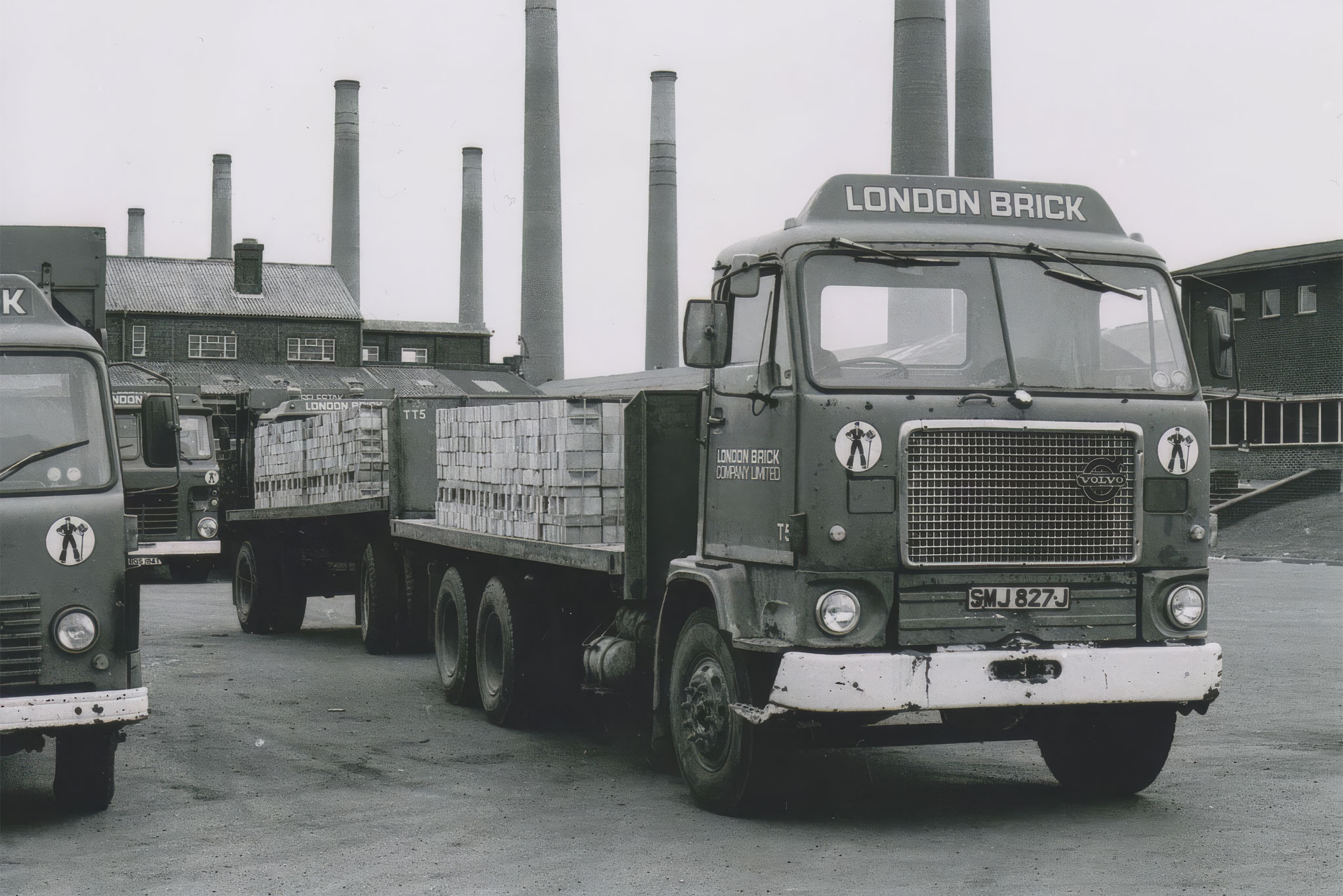
Beneath the fields lay rich clay deposits that would later fuel industrial transformation. During the nineteenth and early twentieth centuries, brickmaking expanded dramatically. The Fletton brick became synonymous with rapid growth. Terraced housing, factories and civic buildings rose from the same earth that had once supported prehistoric settlement.
The scale changed. The instinct did not.
From timber posts driven into wetland to limestone carved for cathedrals to bricks fired in their millions, each generation responded to the same ground with new techniques and technologies.
Innovation here is cumulative rather than abrupt.
Peterborough’s later reputation for engineering and manufacturing did not appear without precedent. It emerged from centuries of working with material realities. Quarrying demanded organisation and logistics. Brickmaking required industrial coordination. Production at scale demanded technical skill.
Material culture shaped economic identity.
There is something grounding in recognising that a city’s influence once travelled outward in the form of stone and brick. Cultural significance was not always expressed through spectacle. It was embedded in construction, infrastructure and craft.
To walk through Peterborough today is to see these layers in dialogue. Medieval masonry stands alongside industrial brickwork. Contemporary development rises from foundations shaped by earlier techniques. The city’s physical fabric reflects its chronology.
Stone and clay do not shout. They endure quietly.
They remind us that identity is built incrementally. That progress often rests upon inherited skill. That innovation frequently grows from necessity.
Peterborough has always been a place of making. Not making for ornament alone, but for shelter, for community, for growth.
The land offered resources. The people offered ingenuity.
Together, they built influence that travelled beyond the horizon.
#Peterborough2029
#ThisIsPeterborough
#DiscoverPeterborough