Before a city is interpreted, it is heard.
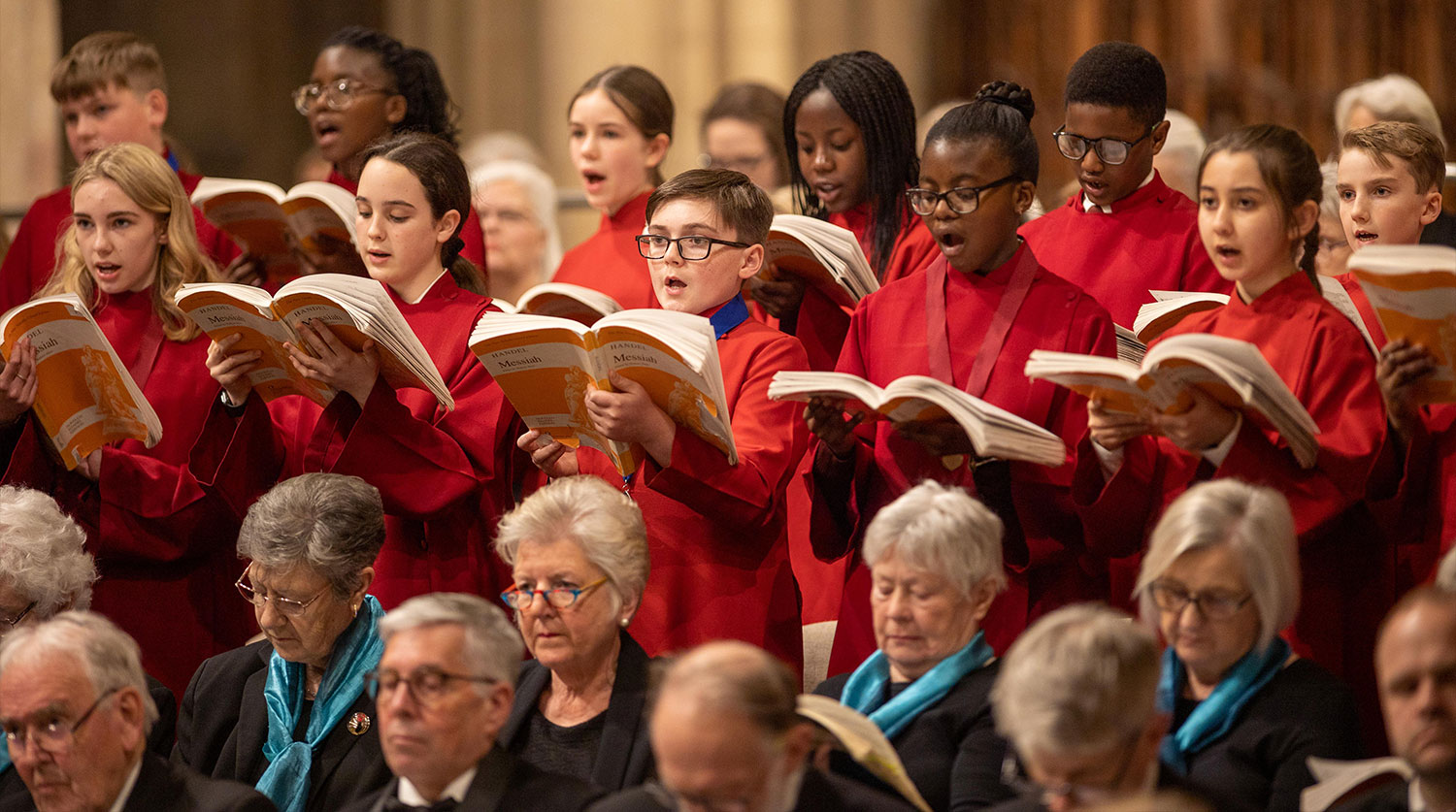
Long before amplification, sound travelled through stone. In Peterborough Cathedral, choral voices have marked time for centuries. Music shaped communal rhythm. Sacred song structured the year. Sound binds people together in shared ritual.
Harmony required cooperation. Choir demanded collective listening. Expression was both individual and communal.
That tradition did not remain cloistered.
Across generations, Peterborough has sustained a rich civic music culture. Choral traditions have continued beyond cathedral walls, with established choirs and community ensembles shaping the city’s sound across decades. Orchestral performance remains central to that landscape, from symphonic concerts to youth and community ensembles that nurture discipline and shared ambition.
Musicians trained here perform well beyond the city’s boundaries. Excellence and accessibility coexist. Formal study sits alongside grassroots participation. The presence of the Guildhall School of Music in the city reinforces that music is not only pastime but pathway.
Music here is organised, rehearsed and sustained.
With the arrival of broadcast media, Peterborough’s sound travelled further. Hereward Radio, headquartered in the city for many years before evolving into Heart Radio, amplified local voices and music across the region. What began as community signal became part of a national network. The city did not simply host performance. It transmitted it.
The mid-twentieth century also produced artists whose careers reached well beyond the city. Edmund Hockridge, who lived locally and later performed with the Glenn Miller Orchestra, carried Peterborough’s musical lineage onto international stages. His career bridged domestic life and global performance, reminding us that local roots and outward reach are not opposites.
Yet Peterborough’s sound has never been singular.
Alongside choral discipline and orchestral formality, youth culture carved out its own stages. In the late twentieth century, venues such as The Wirrina, The Park and The Met Lounge became spaces of intensity and belonging. Northern Soul found a devoted following. Underground nights blurred genre and expectation.
The city developed a vibrant rave and electronic scene, shaped by repetition, rhythm and collective release. Warehouse spaces, club nights and improvised dance floors created their own rituals. Bass travelled differently from hymn or aria, but it gathered bodies just the same.
From that energy emerged artists who would carry Peterborough’s sound far beyond its boundaries. Maxim, frontman of The Prodigy, grew from these currents of experimentation and defiance. Global stages later amplified what local rooms had first contained.
The Sugar Club nurtured alternative and underground scenes, a legacy now recognised in exhibition at Peterborough Museum. Youth culture found its rhythm in basslines and repetition, proving that discipline and rebellion can share the same cultural landscape.
Peterborough has hosted world-famous performers across genres, a fact documented through projects such as They Played Peterborough. The city’s stages have welcomed country music icons and contemporary touring acts, positioning it as both participant and host in wider musical movements.
At the same time, new expressions continue to emerge from its diverse communities. Groups such as Kissmet fuse South Asian heritage with contemporary performance, reflecting the city’s evolving cultural identity. Sound becomes a bridge between traditions. Rhythm carries memory across generations. Language may differ, but melody gathers.
Music in Peterborough spans sacred and secular, classical and underground, formal and improvised. It belongs in cathedral choir stalls and in late-night venues. It belongs to youth orchestras and to dance floors. It belongs to community halls and to international tours.
If earlier chapters showed how Peterborough learned to build, paint, speak and write, this chapter reveals how it learned to sing.
Sound dissolves hierarchy. It moves through difference. It invites participation without requiring uniformity.
A city that sings together develops a shared pulse.
And within that pulse lies the capacity not only to express, but to understand.
#Peterborough2029
#ThisIsPeterborough
#DiscoverPeterborough
Photo by Terry Harris/Discover Peterborough