Memory does not preserve itself. It is written.
High in the library of Peterborough Cathedral rests one of its oldest surviving treasures, a medieval Bestiary manuscript. In its pages, symbolic animals once carved into stone are rendered in ink and pigment. Image becomes text. Allegory becomes portable. Meaning moves from façade to folio.
The act of binding these symbols into a book was more than preservation. It was interpretation. What was selected endured. What was omitted receded. Even in its earliest manuscripts, the city’s story was curated.
For centuries, access to language was limited. Memory was shaped within cloistered walls. Narrative belonged to those who could record it.
Over time, that boundary shifted.
Public libraries marked a profound change in cultural power. Knowledge moved outward. Reading became civic rather than monastic. The shelf replaced the scriptorium. Language became shared inheritance rather than guarded archive.
The widening of access altered authorship.
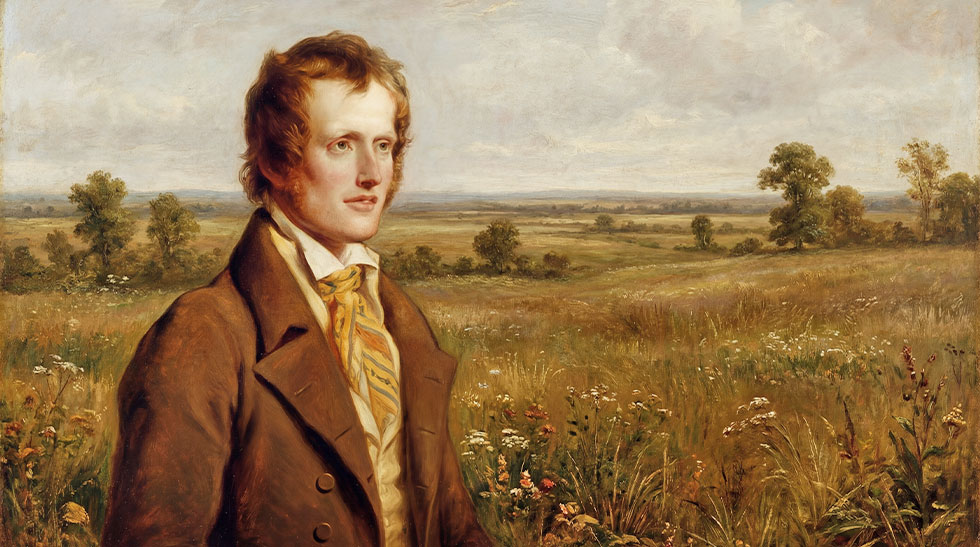
In the poetry of John Clare, the surrounding countryside was given emotional vocabulary. Clare did not merely describe landscape. He interpreted it. He articulated belonging and loss, enclosure and endurance. The land became interior. Experience became language.
Later, L. P. Hartley explored the nature of memory itself, reflecting on how identity is shaped by recollection and distance. The past, he suggested, is another country. In that recognition lies an understanding that history is not fixed. It is perceived.
Across these writers, a pattern emerges. Peterborough is not simply recorded. It is re-examined.
Authorship here is reflective.
And authorship carries influence.
A city is not only constructed in stone. It is constructed in narrative. The way it is described shapes how it is understood. Chronicle, newspaper, broadcast and digital platform all participate in this framing. Reputation is never accidental. It is assembled through repetition, emphasis and omission.
In earlier centuries, that framing rested with a small number of voices. Scribes, editors and publishers acted as gatekeepers. Today, authorship is far more dispersed. Digital platforms allow individuals and communities to publish instantly. Counter-narratives sit alongside official accounts. Interpretation is no longer centralised.
This shift is not merely technological. It is cultural.
Peterborough’s story is now written from multiple vantage points. Residents, artists, educators and organisers all contribute to its shaping. The act of storytelling becomes participatory rather than singular.
That participation brings responsibility.
To write a city is to influence its future. To repeat a narrative is to strengthen it. To challenge one is to reshape it.
Libraries, reading groups and literary events continue to widen access to this shared authorship. The launch of the city’s first MA in Creative Writing at University Centre Peterborough marks another step in that evolution. Creative practice is no longer only something that emerges from place. It is something cultivated within it. New writers are invited not only to inherit tradition but to extend it.
From manuscript to public library, from poet to postgraduate seminar, language has moved outward and forward.
Image became book.
Book became access.
Access became agency.
Peterborough learned early how to record itself.
Over time, it learned how to question itself.
And in that questioning, expression became collective.
#Peterborough2029
#ThisIsPeterborough
#DiscoverPeterborough